Home
Home  Navigation


CES 2024 showcased a remarkable diversity in gaming laptops, exceeding expectations. This year's trends reveal a fascinating blend of performance, aesthetics, and innovative technology.
A Diverse Landscape of Designs
While gaming laptops have always offered stylistic variety, this year felt exceptional. Brands like Gigabyte and MSI are blurring the lines between productivity and gaming machines, pushing for a "premium" experience beyond raw hardware.
This translates to a broader spectrum of designs. Laptops like the Gigabyte Aero series exude sleek elegance, suitable for even the most professional settings. Conversely, machines like the MSI Titan 18 HX AI Dragonforged Edition proudly display their gaming pedigree with bold graphics.
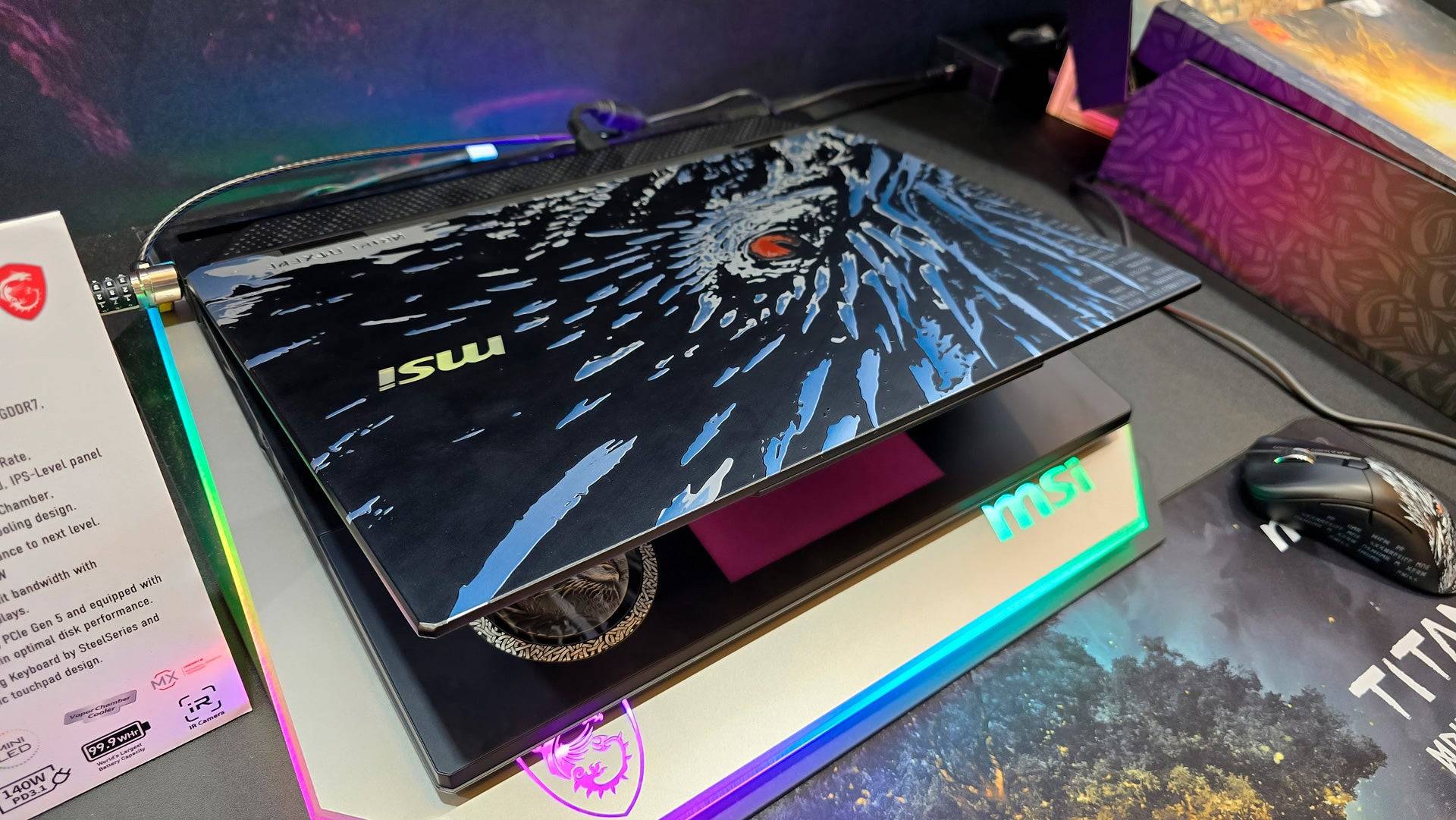 RGB lighting remains a staple, with designs incorporating wrap-around rings, illuminated keyboards, and side/rear/trackpad lighting. The Asus ROG Strix Scar series impressed with its AniME Dot Matrix LED display, showcasing text and animations on the lid.
While not revolutionary, expect a compelling mix of traditional bulky designs and slim, lightweight models, each with a wide range of hardware configurations.
 **The Rise of AI Assistants**
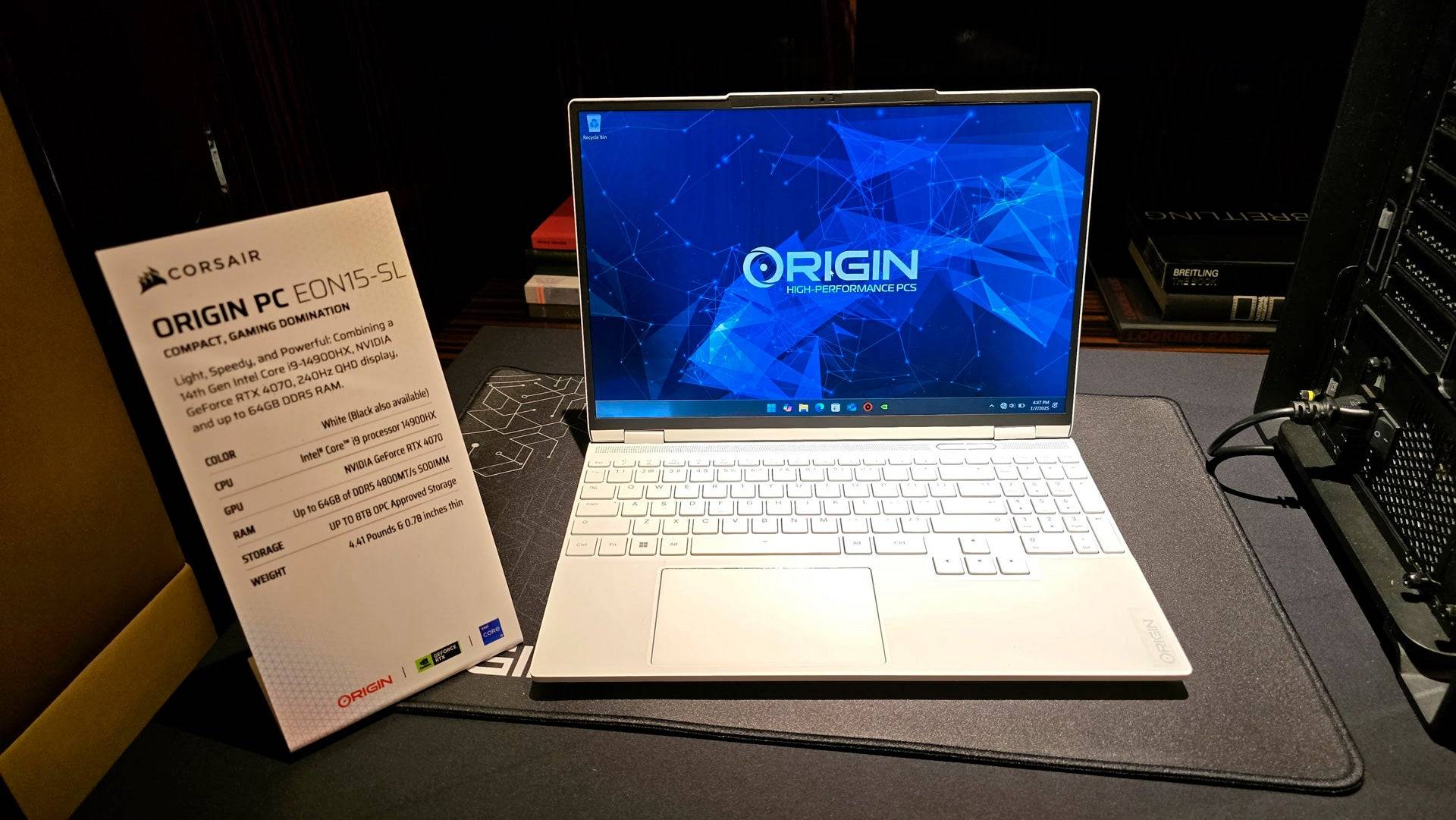
AI integration in laptops gained significant traction last year, but implementations often fell short. This year, several vendors showcased AI assistants designed for seamless PC control without needing separate software.
An MSI representative demonstrated an AI assistant that, upon describing a desired game, automatically optimized performance settings. While convenient, the practical speed advantage over manual adjustments remains to be seen. The offline functionality and actual capabilities require further evaluation.
Mini-LED, Rollable Displays, and Other Innovations
Mini-LED technology is finally making a substantial impact on gaming laptops. Asus, MSI, and Gigabyte all displayed Mini-LED laptops with top-tier specifications and pricing. Significant improvements in local dimming zones (over 1100 in some models), brightness, and color vibrancy were evident. While OLED still leads in contrast, Mini-LED offers a compelling alternative with higher sustained brightness and no burn-in risk.
Novelties also appeared. The ASUS ROG Flow X13 returned with USB4 eGPU support, eliminating proprietary connections. Asus showcased it with a new eGPU capable of housing up to an RTX 5090. This resembles a powerful, gaming-focused Microsoft Surface.
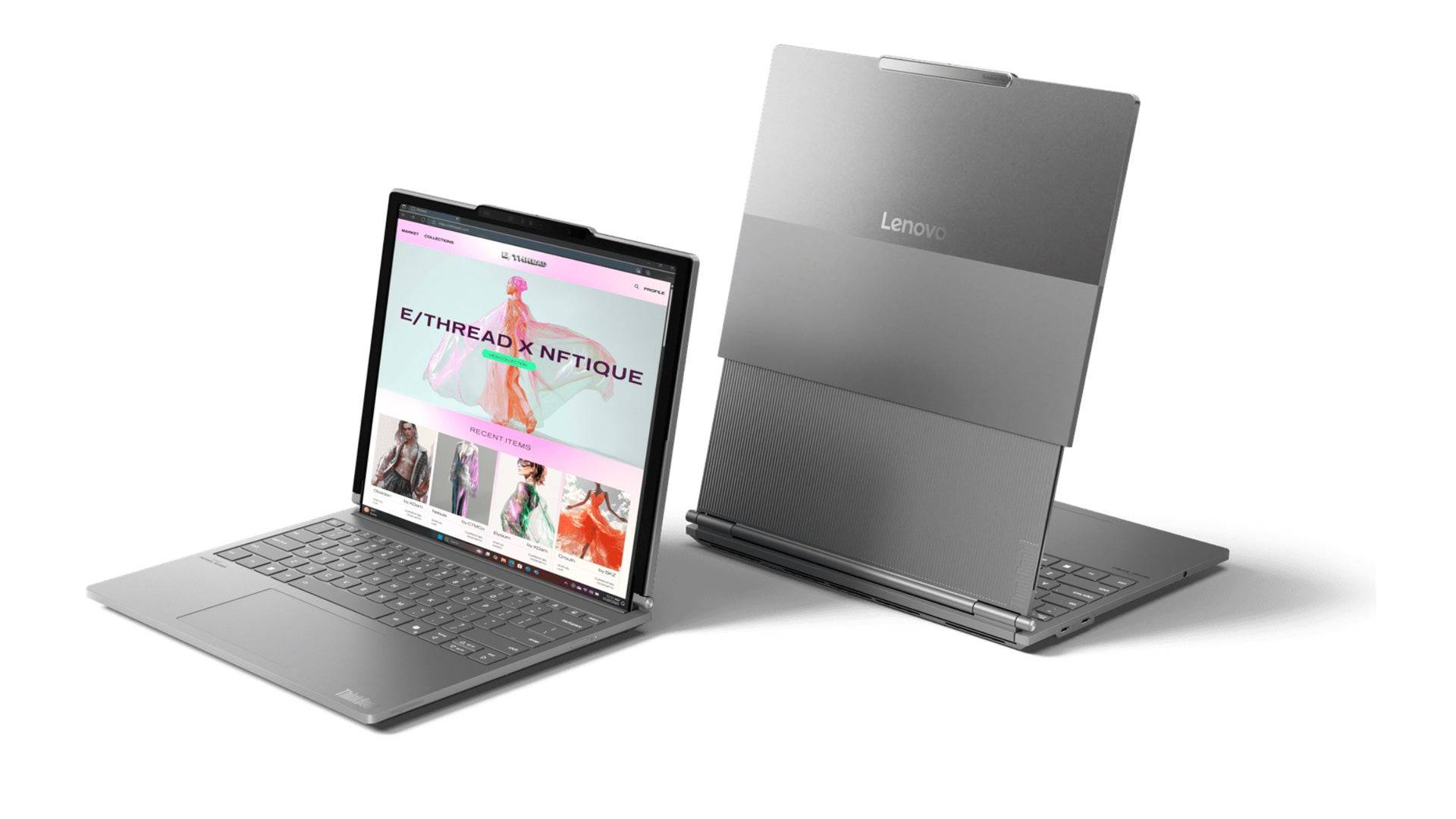 Lenovo's ThinkBook Plus Gen 6 Rollable, while not strictly a gaming laptop, stood out as the most intriguing. Its rollable OLED display expands from 14 inches to 16.7 inches with the push of a button. While the initial design may appear unconventional, and durability concerns exist, it represents a significant step in display technology.
The Continued Dominance of Ultrabooks, Even in Gaming
Ultrabooks are increasingly prevalent, even in gaming segments. Major manufacturers offer slim, lightweight, premium gaming laptops, often adopting the Ultrabook form factor. Gigabyte's revamped Aero series exemplifies this trend.
These Ultrabooks offer a compelling balance: gaming capabilities without sacrificing portability or productivity. Adding a dedicated graphics card is possible, as demonstrated by the Asus TUF Gaming A14. Even without a dedicated GPU, the latest CPUs from AMD and Intel, combined with features like AMD FidelityFX Super Resolution and Intel XeSS, enable playable performance in many games. This raises questions about the longevity of lower-tier GPUs like the RTX 4050M.
Cloud gaming services like Xbox Cloud Gaming and Nvidia GeForce Now further enhance the viability of Ultrabooks for gaming.
CES 2024 unveiled numerous exciting advancements in gaming laptops. We'll continue covering these developments throughout the year. What impressed you most? Share your thoughts below!
 Latest Articles









 Latest Games