Home
Home  Navigation


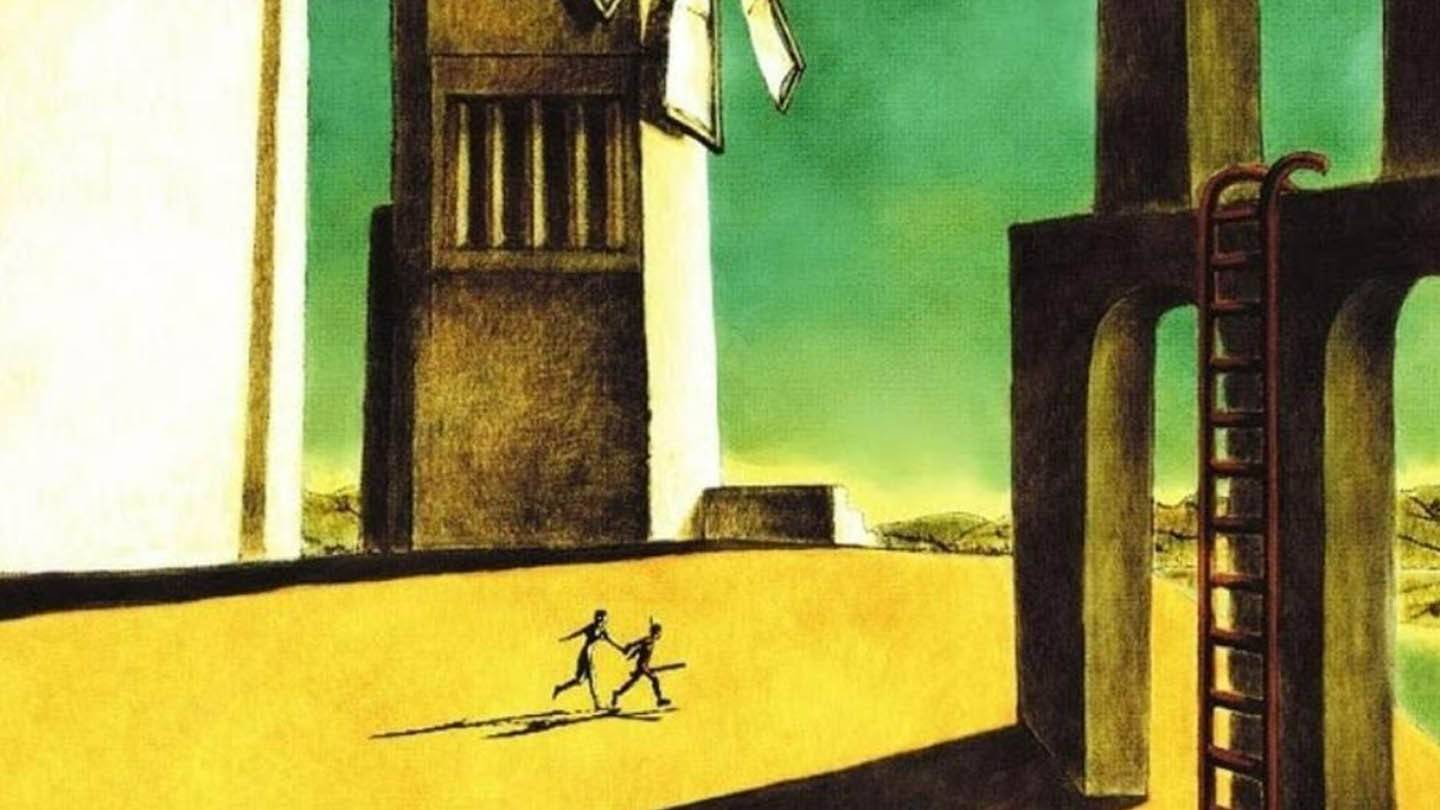
Yoko Taro, the celebrated creative force behind NieR:Automata and Drakengard, has reflected on ICO's profound impact in elevating video games as a true artistic medium. Launched in 2001 for the PlayStation 2, ICO earned its status as a cult classic through its elegantly sparse design and storytelling without words.
Taro pointed to the game's central mechanic—guiding the character Yorda by holding her hand—as a revolutionary shift in player interaction. "Had ICO simply asked you to carry a suitcase the size of a girl, the experience would have been deeply frustrating," Taro noted. He stressed that the act of tenderly leading another being broke new ground, fundamentally questioning established ideas of what players do in a game.
During that era, a game was often deemed well-designed if it remained compelling even when its visuals were stripped down to basic cubes. ICO challenged this philosophy by placing emotional weight and thematic substance above pure mechanical novelty. For Taro, the game demonstrated that artistic vision and narrative could be more than just a setting for gameplay; they could become the very heart of the experience.
Calling ICO "epoch-making," Taro credited it with altering the course of game development. He applauded the title for proving that video games could communicate profound ideas through understated interaction and masterfully crafted atmosphere.
Beyond ICO, Taro highlighted two other titles he considers deeply influential for both himself and the industry: Toby Fox's Undertale and Playdead's LIMBO. These games, he argued, expanded the expressive potential of the medium, showcasing its unique capacity to deliver rich emotional and intellectual engagement.
For admirers of Yoko Taro's distinctive work, his reverence for these games provides a valuable window into the inspirations that shape his own creations. It also reaffirms the continuous growth of video games as a potent and remarkably adaptable art form.
 Latest Articles








 Latest Games